Vulvar Dermatitis
If you have pain and itching in your genital area, you may have vulvar dermatitis.
The vulva is the sensitive external portion of the female genitals. It includes the outer folds of skin (labia majora) and inner folds (labia minora).
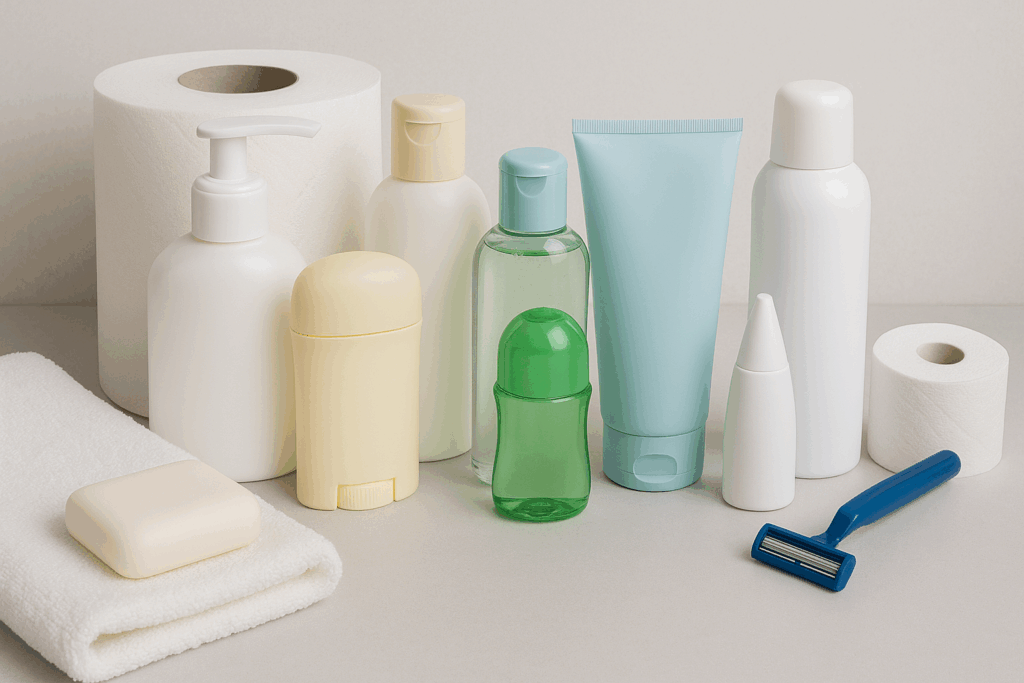
Dermatitis can be caused by heat or wetness or can be a reaction to scented soaps, powders, creams, toilet paper, spermicides, or clothing. A skin condition, such as eczema, also can cause dermatitis.
Vulvar Dermatitis more common in children and people who’ve gone through menopause. This is because you have less estrogen before puberty and after menopause. Low estrogen levels can lead to thinner, dryer vulvar tissues. This may increase your risk of injury and inflammation.
Specific causes of vulvar dermatitis include reactions to:
- Wetness, such as from sitting for hours in a wet bathing suit or sweaty workout clothes.
- Toilet Paper
- Panty liners.
- Scented soaps.
- Bubble baths or bath salts.
- Laundry detergents and fabric softeners with perfumes.
- Baby or adult moist wipes.
- Deodorants.
- Lotions.
- Lubricants.
- Spermicides.
- Prolonged heat.
- Incontinence
Symptoms of vulvitis may include:
- Itching.
- Burning.
- Redness and swelling on your inner labia (lips of your vagina) and elsewhere on your vulva.
- Small cracks on the skin of your vulva.
- Blisters on your vulva that may burst, ooze and form a crust.
- Thick, whitish patches of skin on your vulva that feel scaly.
- Vaginal discharge.
How to Treat Vulvar Dermatitis
Vulvar dermatitis can range from mild to severe. Fortunately, you can treat most cases of mild vulvar dermatitis at home.
Place cold compresses against the vulva to reduce itching.
Soak in a sitz bath of lukewarm water to soothe irritated skin.
Wash your vulva with cool water. If you use soap, stick to unscented varieties. Pat the area dry without rubbing.
Try not to scratch. If itching interferes with sleep, take an over-the-counter (OTC) antihistamine according to directions. Antihistamines can help reduce itching.
Sleep without underwear.
Wear loose, breathable clothing of natural fibers like cotton.
Don’t have sex until your skin has healed.
Apply a thin layer of petroleum jelly to protect the skin.
Guidelines for Vulvar Skin Care
Laundry Products
- Use a detergent free of dyes, enzymes, and perfumes (such as All Free and Clear) on any clothing that comes in contact with your vulva such as: underwear, exercise clothes, towels, or pajama bottoms. Use 1/3 to 1/2 the suggested amount per load. Other clothing may be washed in the laundry soap of your choice.
- Do not use fabric softener in the washer or dryer on these articles of clothing. If you do use dryer sheets with the rest of your clothes, for any loads, you must hang dry your underwear, towels, and any other clothing that comes in contact with your vulva.
- Stain Removing Products Soak and rinse in clear water all underwear and towels on which you have used a stain removing product. Then wash in your regular washing cycle. This removes as much of the product as possible.
Clothing
- Wear white, all cotton underwear – not nylon with a cotton crotch. Cotton allows air in and moisture out.
- Avoid pantyhose. If you must wear them either cut out the diamond crotch (leave about 1/4 to 1/2 inch of fabric from the seam to prevent running) or wear thigh high hose. Many stores now carry thigh high nylons.
- Avoid tight clothing, especially clothing made of synthetic fabrics. Remove wet bathing and exercise clothing as soon as you can.
Bathing and Hygiene
- Avoid bath soaps, lotions, gels, etc. which contain perfumes. These may smell nice but can be irritating. This includes many baby products and feminine hygiene products marked “gentle” or “mild”. Dove-Hypoallergenic, Neutrogena, and Basis and Pears are the soaps we suggest. Do not use soap directly on the vulvar skin, just warm water and your hand will keep the vulvar area clean without irritating the skin.
- Avoid all bubble baths, bath salts and scented oils. You may apply a neutral (unscented, non-perfumed) oil such as Keri Oil to damp skin after getting out of the tub or shower. Do not apply oils directly to the vulva.
- Do not scrub vulvar skin with a washcloth – washing with your hand and warm water is enough for good cleaning.
- Pat dry rather than rubbing with a towel or use a hairdryer on a cool setting to dry the vulva.
- Baking soda soaks. Soak in lukewarm (not hot) bathwater with 4-5 tablespoons of baking soda to help soothe vulvar itching and burning. Soak 1-3 times a day for 10-15 minutes.
- Toilet Paper
- Use a quality unscented toilet paper and consider a undyed bamboo sourced toilet paper
- Avoid toilet paper with perfumes, lotions, or aloe
- Avoid “ultra-soft” or “ultra-strong” toilet paper or cheaper non-name brand products: These products are often processed with chlorine and formaldehyde.
- Avoid all feminine hygiene sprays, perfumes, adult or baby wipes. Pour lukewarm water over the vulva after urinating if urine causes burning of the skin. Pat dry rather than rubbing with a towel.
- Avoid the use of deodorized pads and tampons. Tampons should only be used when the blood flow is heavy enough to soak one tampon in four hours or less. Tampons are safe for most women, but wearing them too long, or when the blood flow is light may result in vaginal infection, increased discharge, odor or toxic shock syndrome.
- Avoid all over the counter creams or ointments, except A and D Ointment. Ask your health care provider first.
- Do Not Douche. Baking soda soaks will help rinse away extra discharge and help with odor.
- Do Not Shave the Vulvar Area.
Keeping Dry
Some women may have problem with chronic dampness, especially if incontinent of urine.
- Choose cotton fabrics whenever you can.
- Keep an extra pair of underwear with you in a small bag and change if you become damp during the day at work/school.
- Gold Bond Powder or Zeosorb Powder may be applied to the vulva and groin area one to two times per day to help absorb moisture.
Ointments and Creams
- Do not use over-the-counter creams or ointments until you ask your health care team.
- Use ointments that are paraben-free and fragrance-free.
- A skin protectant may be applied to your vulva as often as needed to protect the skin. It may also help to decrease skin irritation during your period and when you urinate.
- We suggest that you use a thin layer of:
- Extra virgin olive oil
- Vegetable oil
- Coconut oil
- Zinc oxide ointment
- White petrolatum (Vaseline™)
Lubricants
Dryness and irritation during intercourse may be helped by using a lubricant.
- Use a small amount of a pure vegetable oil (solid, liquid, or extra virgin olive oil).
- These oils contain no chemicals to irritate vulvar/vaginal skin.
- Vegetable oils will rinse away with water and will not increase your chances of infection.
- Silicone based lubricants
- Over-the-counter water-based lubricants tend to dry out before intercourse is over.
- This may cause small tears in the vagina, and may also contain chemicals that can irritate your vulvar skin.
- It may be helpful to use a non-lubricated, non-spermicidal condom, and use vegetable oil as the lubricant. This will help keep the semen off the skin which can decrease burning and irritation after intercourse.
If your symptoms don’t improve or worsen after a week of home care, contact County Obstetrics & Gynecology to schedule a confidential evaluation for vulvar dermatitis, vulvar eczema, or chronic vulvar itching.
Health issues that produce similar symptoms to vulvar dermatitis include:
Lichen planus. This condition causes a rash of small bumps on the skin. On the vulva, it can cause raw, red patches that burn.
Lichen sclerosus. This condition causes thick white patches on the vulva. It’s more common in people with low estrogen levels, such as prepubescent girls and postmenopausal women.
Psoriasis. This chronic disease produces red, scaly patches, usually on the knees, elbows, and scalp. But psoriasis can also develop on the genitals, where it can cause intense itching.
Sexually transmitted infections (STIs). STIs can produce inflamed, sore skin. They may cause itching, burning, pain during sex or urination, and rashes on the vulva.
Yeast infections. According to the Centers for Disease Control and Prevention, about 75% of all women will have a yeast infection during their lifetime. Signs of a yeast infection include abnormal vaginal discharge, pain during sex, vaginal itching and soreness, and pain when urinating.
Vulvar cancer. Vulvar cancer is rare, but symptoms include pain and persistent itching.
County Obstetrics & Gynecology
STL Leaders in Women’s Healthcare

Board Certified Physician:
Dr. Lawrence V. Boveri
Dr. Stephen A. Boveri
Our Location
1859 Bowles Avenue
Suite 103
Fenton, MO 63026
Our Hours:
Monday: 8:00 – 5:00
Tuesday: 12:00 – 6:00
Wednesday: 12:00 – 6:00
Thursday: 8:00 – 3:00
Friday: 8:00 – 12:00