Pellet Hormone Therapy in St. Louis
AT COUNTY OBSTETRICS & GYNECOLOGY

Why Specialize in Pellet Implant Therapy?
With more than 30 years of clinical experience and a deep understanding of all options for hormone replacement, County Obstetrics and Gynecology remains uniquely attuned to the evolving needs of women in midlife.
“Bioidentical” describes hormones with the same chemical structure as hormones made by the body. Both FDA-approved products and compounded preparations may use bioidentical hormones; the term alone does not establish that a product is safer or more effective. If pellet therapy is being considered, discuss the specific preparation, potential benefits and risks, alternatives, dosing, and follow-up with your physician.
What Is Bioidentical Pellet Hormone Therapy?
With this method, 2-3 small pellets placed beneath the skin provide a steady reservoir of hormones that slowly diffuse into the bloodstream.
This approach most closely mimics the body’s natural hormone production, providing consistent, reliable benefits with minimal fluctuation.
Topical Creams vs. Pellets — Why Stability Matters
Topical hormone options have a role in select cases, but they come with natural limitations in delivery and consistency.
The belief that creams are easier to “adjust” overlooks the biologic reality: hormone therapy requires time to achieve results through receptor activation, protein synthesis, systemic absorption, and neuro-adaptation.
In clinical practice, we have observed that:
- Hormone creams lead to daily fluctuations in serum levels
- Benefits are diminished with missed applications
- Long-term continuation rates are low
- Overall satisfaction is variable and often incomplete
Most patients who begin with creams eventually transition to therapies that provide more dependable symptom relief and sustained exposure.
Restore Balance Naturally with Bioidentical Hormone Pellet Therapy
At County Obstetrics and Gynecology, we offer bioidentical hormone replacement therapy (BHRT) using tiny, custom-compounded pellets designed to restore your natural hormone balance. Each pellet—about the size of a grain of rice—contains carefully measured doses of estrogen or testosterone that are biologically identical to the hormones your body produces.
During a simple in-office procedure, 2-3 pellets are placed just beneath the skin, typically in the upper buttock area. Once inserted, it releases a steady, consistent level of hormones as your body needs them
helping to eliminate the fluctuations often seen with creams, pills, or injections.
This approach most closely mimics the body’s natural hormone production, providing consistent, reliable benefits with minimal fluctuation.
The pellets gradually dissolve over time and generally need to be replaced every three to four months, depending on your individual response and hormone levels. During your consultation, we’ll discuss your specific symptoms, review lab results, and develop a personalized treatment plan and schedule that best supports your health and well-being.
Why Choose County Obstetrics and Gynecology
Provider Support Built into Treatment
Pellet therapy follows a structured schedule, bringing patients into the office every 3–4 months.
These regular visits provide an ongoing opportunity for:
- Symptom review and treatment refinement
- Lab interpretation when needed
- Early side-effect prevention or management
- Individualized dosing for each cycle
- Long-term wellness planning
This model promotes consistent oversight and dedicated, meaningful time with our board-certified physicians.
Patients choosing pellets consistently report strong and sustained symptom improvement, and many describe the process as simpler and more confidence-providing than managing daily or weekly hormone applications.
What to Expect During Pellet Therapy
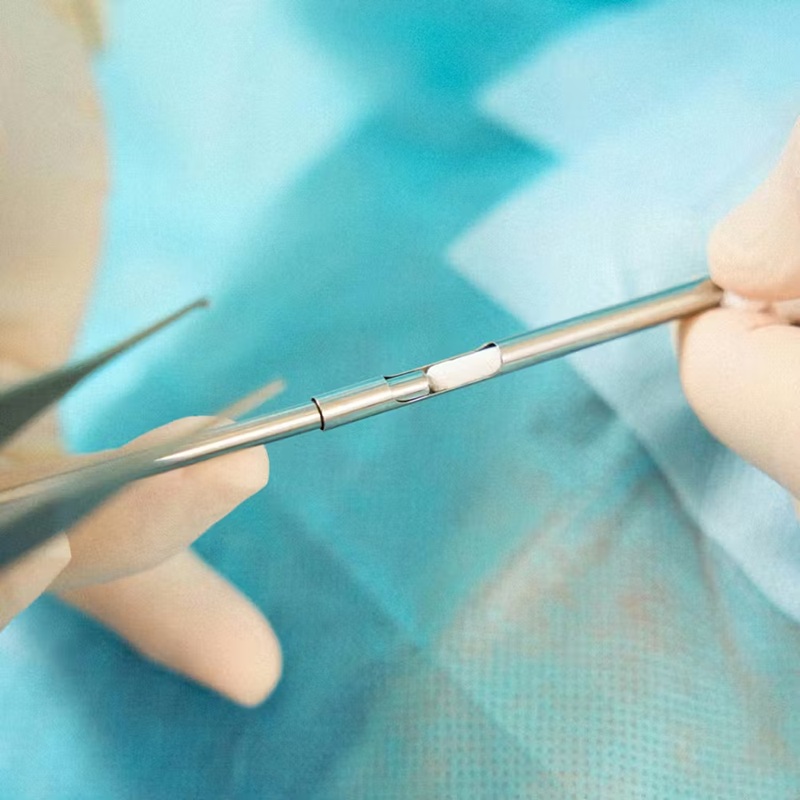
The procedure is simple and quick.
After numbing the skin, hormone pellets are inserted into the fatty tissue of the upper hip area through a tiny incision, closed with only a steri-strip, heals in a couple of days, and provides 3-5 months of therapy.
With this method, 2-3 small pellets placed beneath the skin provide a steady reservoir of hormones that slowly diffuse into the bloodstream
Pellets are compounded by specialized pharmacies that comply with Current Good Manufacturing Practice (CGMP) regulations enforced by the FDA, ensuring strict quality and safety standards.
Hormones Available for Pellet Therapy
Estradiol (E2)
Estradiol is the body’s primary estrogen, with key roles in supporting the brain, cardiovascular system, skeletal health, joints, skin, and vaginal and urinary tissues.
Testosterone
Testosterone is essential in women, acting on androgen receptors throughout nearly all tissues. It influences energy, mood, cognition, sexual function, metabolism, muscle and joint support, and genitourinary function.
As Board Certified Physicians specializing in women’s health, we are promoting pellet implants because we understand your goals:
- Consistent symptom control
- Convenience
- Safety
A treatment approach that works with your body’s natural rhythm, rather than one that requires constant daily recalibration.

County OB-GYN is dedicated to advancing menopausal care, and pellet therapy is one of the meaningful alternatives we are proud to offer as part of that mission.
F.A.Q.
Common Questions About Pellet Hormone Therapy
Hormone pellets typically provide consistent hormone levels for three-five depending on the individual. The exact duration can vary based on metabolism, activity level, and the hormone dose prescribed.
When prescribed and monitored by a qualified physician, pellet hormone therapy is considered a safe and effective form of bioidentical hormone replacement therapy. Treatment is individualized and hormone levels are monitored to ensure appropriate dosing and symptom relief.
Pellet hormone therapy may be appropriate for women experiencing symptoms of hormone imbalance such as fatigue, low libido, hot flashes, mood changes, sleep disturbances, or decreased energy. A consultation and laboratory evaluation help determine if this therapy is right for you.
Many patients begin to notice improvement in symptoms within a few weeks after pellet insertion, though the timing can vary. Some symptoms such as energy, sleep, and mood may improve sooner, while others may take longer as hormone levels stabilize.
Because insurance does not currently cover testosterone therapy for women or compounded hormones, pellet therapy is offered as a self-pay service. Our program cost is $450.00 every 3–4 months—averaging to approximately $5.00 per day—which many patients consider a modest and reasonable investment given the stability, convenience, and sustained symptom relief it provides.

Schedule a Hormone Therapy Consultation
Learn how pellet hormone therapy can help restore balance and improve your well-being.
County Obstetrics & Gynecology
STL Leaders in Women’s Healthcare

Board Certified Physician:
Dr. Lawrence V. Boveri
Dr. Stephen A. Boveri
Our Location
1859 Bowles Avenue
Suite 103
Fenton, MO 63026
Our Hours:
Monday: 9:00 – 5:00
Tuesday: 9:00 – 5:00
Wednesday: 9:00 – 5:00
Thursday: 9:00 – 3:00
Friday: 9:00 – 12:00