Low Libido in Women: Causes and Treatments
How Sexual Desire Changes Throughout a Woman’s Life
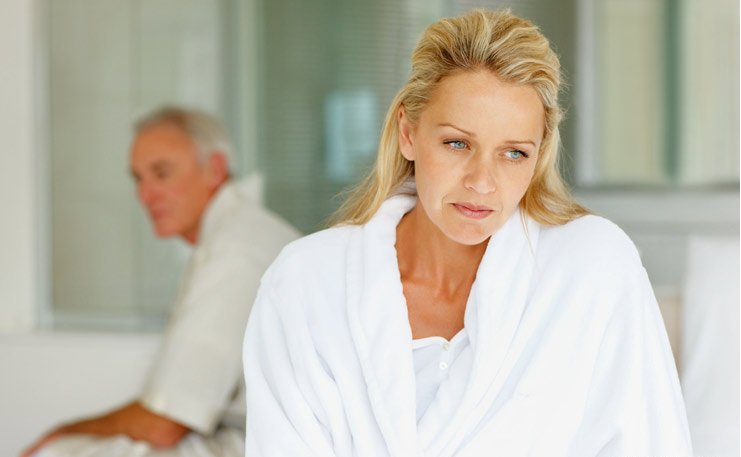
Female libido — or sexual desire — is influenced by hormones, emotional health, relationship dynamics, stress levels, physical comfort, and overall well-being
It is normal for desire to fluctuate at different stages of life.
Women need to explore the emotional, physical, and medical factors that may sabotage sexual response and take advantage of a wide variety of therapies to address them.
Libido in Your 20s and Early 30s:
During the early reproductive years, hormone levels are typically robust and cyclical, with healthy production of estrogen and testosterone supporting normal sexual function. For most women in their 20s and early 30s, libido is not commonly limited by hormonal deficiency.
During early reproductive years ovulatory cycles are predictable, vaginal tissue is well-estrogenized, and androgen levels are at their lifetime peak:
- Estrogen levels are strong and cyclical
- Testosterone levels (which also influence desire) are at their lifetime peak
- Vaginal tissue is typically well-lubricated and elastic
- Energy levels are generally high
Libido during these years is strongly shaped by external and emotional factors. Major life transitions such as building a career, marriage, pregnancy, postpartum recovery, breastfeeding, and raising young children can significantly affect desire.
Psychological stress, body image changes after pregnancy, relationship dynamics, and the mental load of balancing work and family responsibilities often play a larger role than hormone levels themselves.
Even though estrogen and testosterone remain physiologically strong, chronic stress can increase cortisol, which may blunt sexual interest indirectly.
Hormonal Changes in Your Late 30s and 40s
For many women, the most noticeable changes begin in the late 30s and 40s, continuing through perimenopause and menopause. Understanding why these changes occur can help you take proactive steps toward feeling like yourself again.
What is happening hormonally?
- Ovarian function becomes less predictable
- Progesterone often declines first
- Estrogen begins fluctuating (not just declining)
- Testosterone levels gradually decrease
These changes may contribute to:
- Reduced spontaneous desire
- Difficulty with arousal
- Mood fluctuations
- Fatigue
- Changes in body composition
- Increased stress sensitivity
Many women describe this stage as:
“I don’t feel like myself.”
Perimenopause and Menopause
Perimenopause can last several years before menopause (defined as 12 months without a period). During this time:
- Estrogen levels fluctuate widely and eventually decline
- Testosterone continues to decrease
- Vaginal tissue becomes thinner and less lubricated
- Blood flow to genital tissue may decrease
Common symptoms affecting libido include:
- Vaginal dryness
- Discomfort or pain with intercourse
- Slower arousal
- Difficulty achieving orgasm
- Sleep disturbances
- Night sweats
- Mood changes
After menopause, hormone levels stabilize — but at lower levels. Without support, libido may remain reduced.
The Role of Hormones in Female Sexual Desire
How Hormone Levels Decline with Age While libido is multifactorial, hormones play a critical role.
Estrogen and Vaginal Health
- Maintains vaginal tissue health
- Supports blood flow
- Enhances lubrication
- Influences mood and cognitive clarity
Low estrogen may lead to dryness, discomfort, and decreased interest due to physical changes.
Testosterone and Sexual Desire
Often misunderstood, testosterone is essential for female sexual desire. Levels naturally decline beginning in the 30s and continue through menopause.
In women, testosterone:
- Supports sexual thoughts and fantasies
- Increases sensitivity and arousal
- Contributes to energy and motivation
- Enhances overall sense of vitality
Treatment Options at County Obstetrics & Gynecology
Hormonal changes during perimenopause and menopause are common causes of decreased sexual desire. At County Obstetrics & Gynecology, we evaluate hormone levels and offer individualized treatment options including estrogen therapy and testosterone therapy to help restore balance and improve quality of life.
At County Obstetrics & Gynecology, we understand that low libido is common — but that does not mean you have to accept it.
We offer individualized hormone therapy options, including:
Systemic Estrogen Therapy
- Oral
- Transdermal (patches, creams, gels)
- Pellets (in appropriate candidates)
Testosterone Therapy for Women
- Pellets
- Monthly Injections
- Topical preparations
- Other individualized approaches
Your treatment plan is based on:
- Your symptoms
- Your health history
- Lab evaluation (when appropriate)
- Your comfort level
- Your personal goals
Satisfying sex depends on several things: presence of desire, arousal, absence of pain, and an ability to reach orgasm.
Schedule a HRT Appointment
If you are experiencing a low sex drive or are having discomfort during sex, HRT may be the right solution for you.
For more information on treatment options, call the office of County Obstetrics & Gynecology to schedule a consultation.
Treatments can be tailored to each individual woman depending on the nature and severity of your symptoms, age, and overall health.

County Obstetrics & Gynecology
STL Leaders in Women’s Healthcare

Board Certified Physician:
Dr. Lawrence V. Boveri
Dr. Stephen A. Boveri
Our Location
1859 Bowles Avenue
Suite 103
Fenton, MO 63026
Our Hours:
Monday: 9:00 – 5:00
Tuesday: 9:00 – 5:00
Wednesday: 9:00 – 5:00
Thursday: 9:00 – 3:00
Friday: 9:00 – 12:00